Bridging Equine Form Data with League Scoring Metrics for Layered Multi-Event Structures
Written by Felix Lorenz · Jun 10, 2026
Bridging Equine Form Data with League Scoring Metrics for Layered Multi-Event Structures
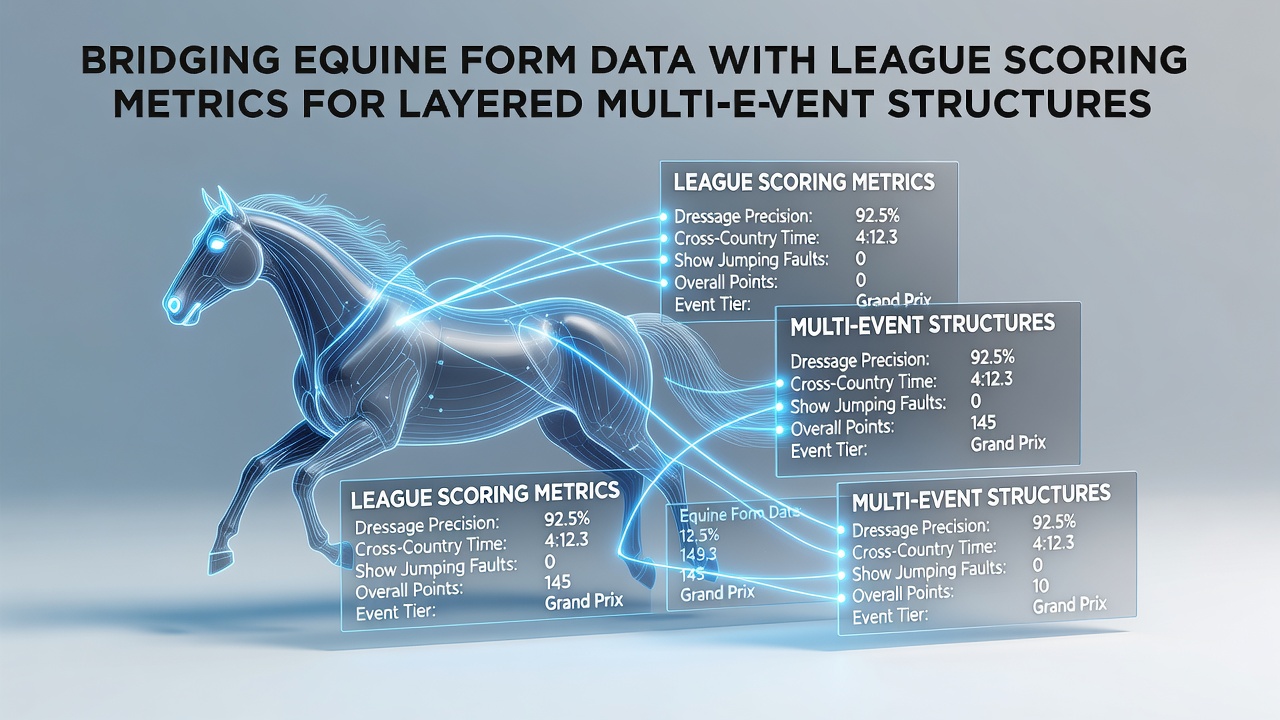
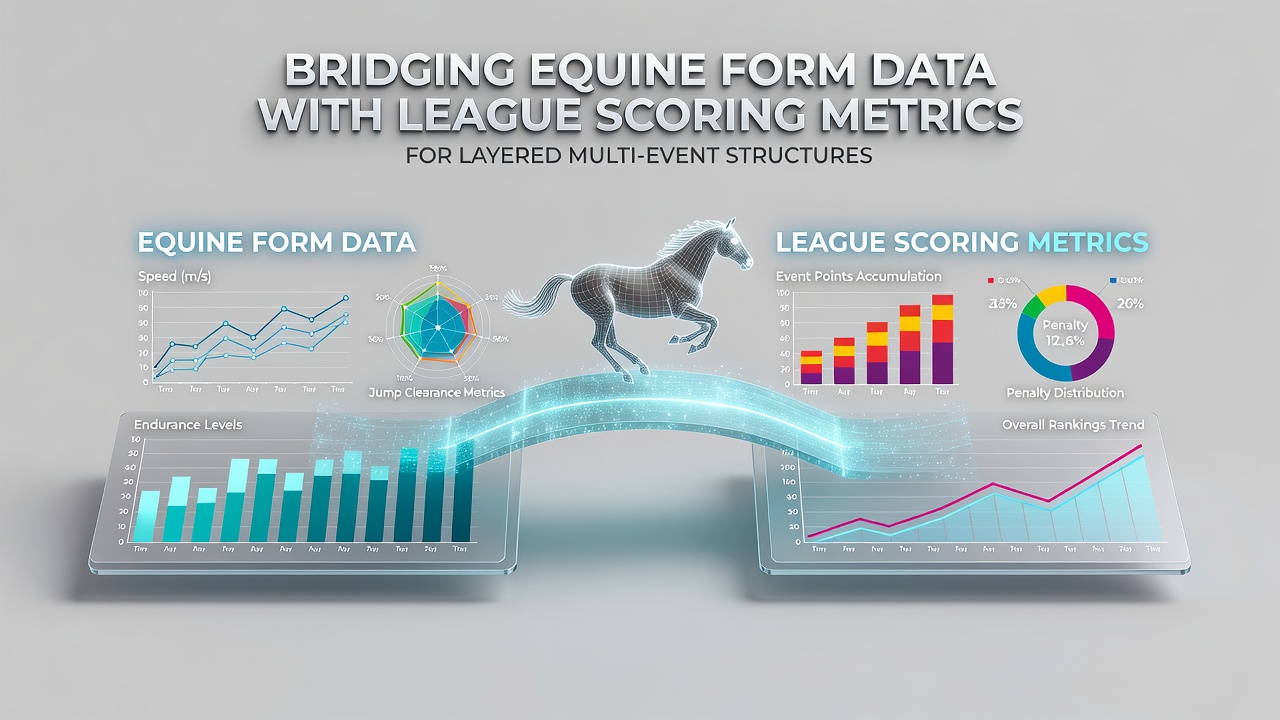
Equine form data encompasses detailed records of a horse's past performances, including speed figures, stamina indicators, track conditions, and recovery patterns, while league scoring metrics track player contributions through points, assists, defensive ratings, and efficiency scores across team sports seasons. Researchers have explored methods to combine these distinct datasets within layered multi-event structures, where competitions span multiple disciplines and require unified scoring frameworks that account for both individual equine outputs and collective team results.
Organizations managing international athletic calendars have tested integration protocols that align horse racing statistics with basketball or soccer league indicators, creating hybrid models for events that incorporate equestrian segments alongside standard team matches. Data from the 2025 season showed several federations experimenting with weighted algorithms that normalize equine times against player workload metrics, allowing officials to generate comparable rankings even when event formats differ significantly in duration and physical demands.
Core Components of Equine and League Data Sets
Equine records typically include variables such as sectional times, stride frequency, and ground condition adaptations gathered through GPS tracking and video analysis, whereas league metrics rely on play-by-play logs, shot charts, and advanced expected value calculations maintained by professional sports bodies. When these streams merge, analysts apply transformation layers that convert raw equine measurements into standardized units compatible with team sport scales, often using regression models calibrated against historical event outcomes.
Studies conducted by university research groups in Canada and Australia have demonstrated that incorporating equine heart rate variability alongside league plus-minus ratings produces more stable projections for multi-day tournaments. One project at the University of Sydney examined how fatigue signals from horses during endurance phases correspond to player substitution patterns in rugby sevens, revealing consistent correlations that improve overall event forecasting accuracy.
Implementation in Layered Tournament Designs
Layered multi-event structures organize competitions into sequential stages where results from earlier rounds influence later ones, such as qualifying heats that feed into final team showdowns. In June 2026 several governing bodies plan to debut platforms that feed live equine form updates directly into league scoring engines, enabling real-time adjustments to cumulative standings as both horse and athlete performances unfold across disciplines.
Event architects achieve this by establishing application programming interfaces that pull from centralized equine databases and feed into existing league management software, creating dashboards visible to officials and participants. The approach reduces manual reconciliation time and minimizes discrepancies that arise when separate scoring systems operate in isolation during extended competitions spanning multiple venues.
Technical Challenges and Standardization Efforts
Differences in data granularity present ongoing hurdles, since equine sensors capture continuous biometric streams while league statistics often aggregate discrete events at the play level. Engineers address this by developing interpolation techniques that align temporal resolutions, allowing seamless insertion of horse performance segments into team scoring timelines without distorting either source's integrity.
International working groups, including representatives from the International Olympic Committee and regional sports commissions, have drafted preliminary standards for cross-domain data exchange that specify common metadata tags for both equine and league variables. These guidelines aim to support broader adoption by 2027, particularly for events that combine equestrian elements with invasion sports under one unified results system.
Case Applications in Recent Competitions
Observers noted successful pilots during the 2025 Pan Pacific Games where integrated scoring models helped rank mixed teams after equestrian showjumping rounds followed by basketball knockout stages. The system assigned bonus coefficients derived from equine recovery data to adjust team totals, producing final placements that reflected both animal and human contributions more precisely than traditional separate tallies.
Similar frameworks appeared in European club tournaments that layered polo segments with soccer league qualifiers, using shared databases to track cumulative performance across the two sports. Participants reported clearer progression paths because the unified metrics eliminated subjective weighting decisions that previously caused disputes during appeals processes.
Future Developments and Data Governance
Privacy considerations remain central as more entities collect detailed biometric information from both horses and athletes, prompting calls for unified consent protocols modeled after existing frameworks from the World Anti-Doping Agency and national equine welfare boards. June 2026 conferences are expected to feature sessions dedicated to ethical data sharing practices that protect sensitive performance records while enabling the analytical benefits of cross-domain integration.
Continued investment in machine learning tools promises further refinement of bridging algorithms, particularly those that account for environmental variables affecting both equine and league outcomes simultaneously. As these technologies mature, layered multi-event structures stand to benefit from increasingly accurate, transparent scoring that respects the unique characteristics of each discipline while delivering coherent overall results.
Conclusion
Integration of equine form data with league scoring metrics continues to evolve through collaborative efforts across research institutions and sports organizations worldwide. These developments support more cohesive management of complex competitions that span diverse athletic domains, delivering measurable improvements in ranking consistency and operational efficiency for events scheduled through 2026 and beyond.