Coordinating Ground Conditions Between Equine Events and Football Matches for Strategic Accumulators
Written by Ben Fischer · Jul 15, 2026

Coordinating Ground Conditions Between Equine Events and Football Matches for Strategic Accumulators
Weather patterns shape both racecourse going descriptions and football pitch playability in ways that directly influence combined betting selections across multiple events. Observers note that track officials record official going reports each morning while groundskeepers measure pitch moisture content and grass length to determine how conditions will evolve throughout race days and match schedules. Data from integrated weather monitoring stations shows correlations between rainfall totals and surface speed ratings that bettors incorporate when constructing accumulators spanning horse racing and soccer markets.
Understanding Surface Responses to Weather Variables
Racecourse clerks of the course classify tracks using terms from firm to heavy based on penetrometer readings and recent precipitation while football pitch agronomists track similar metrics through soil moisture sensors and thatch depth assessments. Studies conducted by surface science teams reveal that a sudden downpour can shift a good to soft track into heavy within hours yet the same volume of rain on a well-drained football pitch may only create temporary slick patches before play resumes at a standard pace. Those who examine historical records find that July events often coincide with stable summer conditions across both sports yet localized thunderstorms can still create isolated soft patches on certain courses and waterlogged areas on specific pitches.
Data Integration Methods for Multi-Event Planning
Specialized software platforms now pull live feeds from meteorological services and venue-specific sensors to generate unified condition forecasts that cover both racing circuits and football leagues operating on the same day. Analysts cross-reference these outputs against past performance databases where horses recorded times on comparable going descriptions and teams achieved clean sheets or goal tallies under matching pitch states. Figures compiled by independent research groups indicate that accumulators built around synchronized condition profiles achieve consistency rates that exceed random selections when the underlying data sets span at least three seasons of aligned weather events.
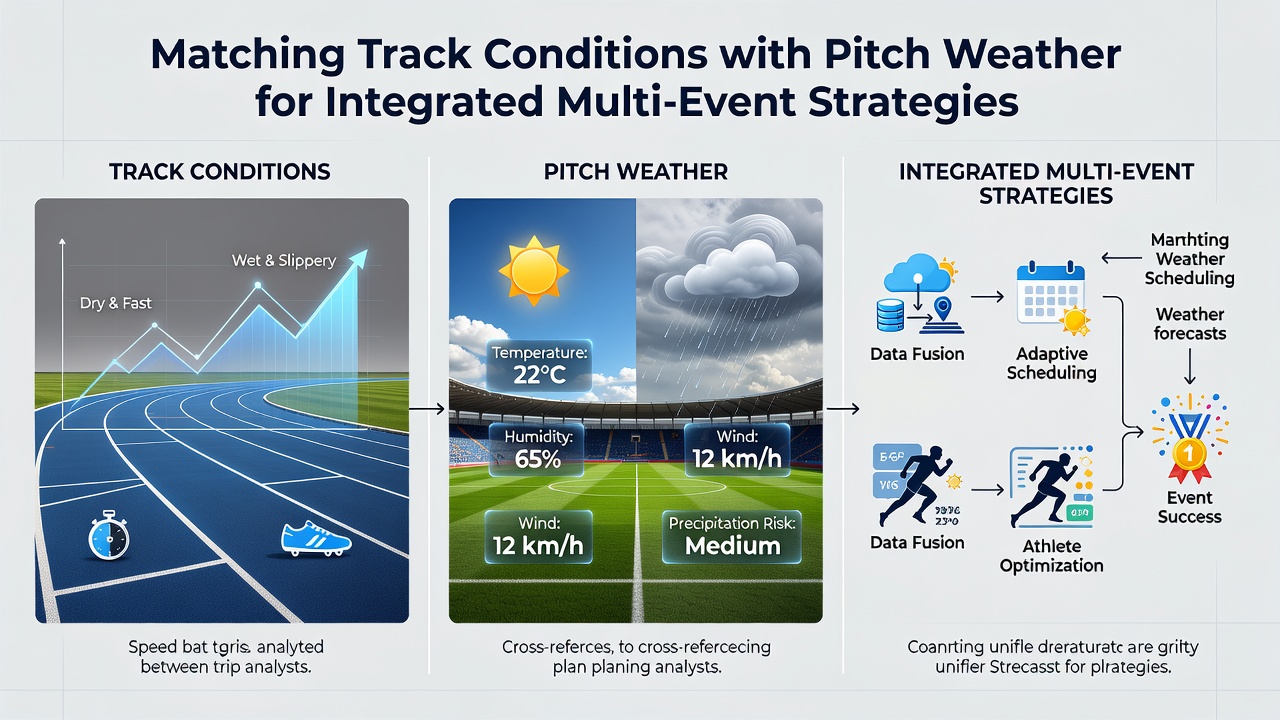
Practitioners combine these layered forecasts with venue-specific drainage histories to adjust stake distributions across legs of an accumulator. One documented approach involves weighting selections toward races scheduled on tracks with proven rapid drainage while pairing them with football fixtures on grounds that retain moisture longer under identical rainfall forecasts. Such pairings allow the overall strategy to balance speed-favoring and stamina-favoring outcomes within a single betting structure.
Applying Synchronized Forecasts in July 2026 Schedules
July 2026 racing calendars feature extensive summer festival meetings alongside pre-season football tours and early domestic cup fixtures creating multiple daily overlaps where condition alignment becomes particularly relevant. Meteorological projections released by the Bureau of Meteorology highlight typical mid-summer patterns of scattered showers and higher humidity that affect turf recovery rates at both racecourses and stadiums. Bettors who monitor these forecasts alongside official going updates and pitch reports identify clusters of events where surface states are likely to converge toward similar firmness categories.
Case examples drawn from previous July periods demonstrate how a sequence of dry days followed by overnight rain can produce firm ground at morning inspections that softens progressively through afternoon racing while football pitches scheduled later the same evening remain closer to standard conditions. Integrated strategies therefore incorporate timing buffers that account for these gradual shifts rather than treating each event in isolation.
Practical Construction of Condition-Matched Accumulators
Successful multi-event builders begin by listing all scheduled races and matches then filtering for those whose forecast weather windows align within a narrow band of expected surface impact. They next review each horse's record on the anticipated going description and each team's results on comparable pitch moisture levels before finalizing selections. This filtering process reduces the total number of legs while concentrating on combinations where external conditions reinforce rather than contradict performance expectations.
Industry reports from the International Federation of Horseracing Authorities emphasize the value of standardized going reports that enable direct comparison across jurisdictions and these same standardized metrics now appear in cross-sport condition databases used by accumulator strategists. The resulting structures often feature shorter accumulator lengths with higher individual hit rates because the underlying variables have been deliberately harmonized.
Conclusion
Matching racecourse track conditions with football pitch weather data supplies a measurable framework for constructing integrated accumulators that span equine and soccer events. Continued refinement of sensor networks and forecast models supports increasingly precise alignment of surface states across both sports. Observers tracking July 2026 schedules will see these methods applied to overlapping festival and cup calendars where synchronized condition profiles offer structured approaches to multi-event betting selections.