Entain Calls on Football Regulator to Ban Sponsorships from Unlicensed Gambling Operators Targeting UK Punters
Written by Uma Ludwig · May 8, 2026

Entain Calls on Football Regulator to Ban Sponsorships from Unlicensed Gambling Operators Targeting UK Punters
The Push from a Major Player in UK Betting
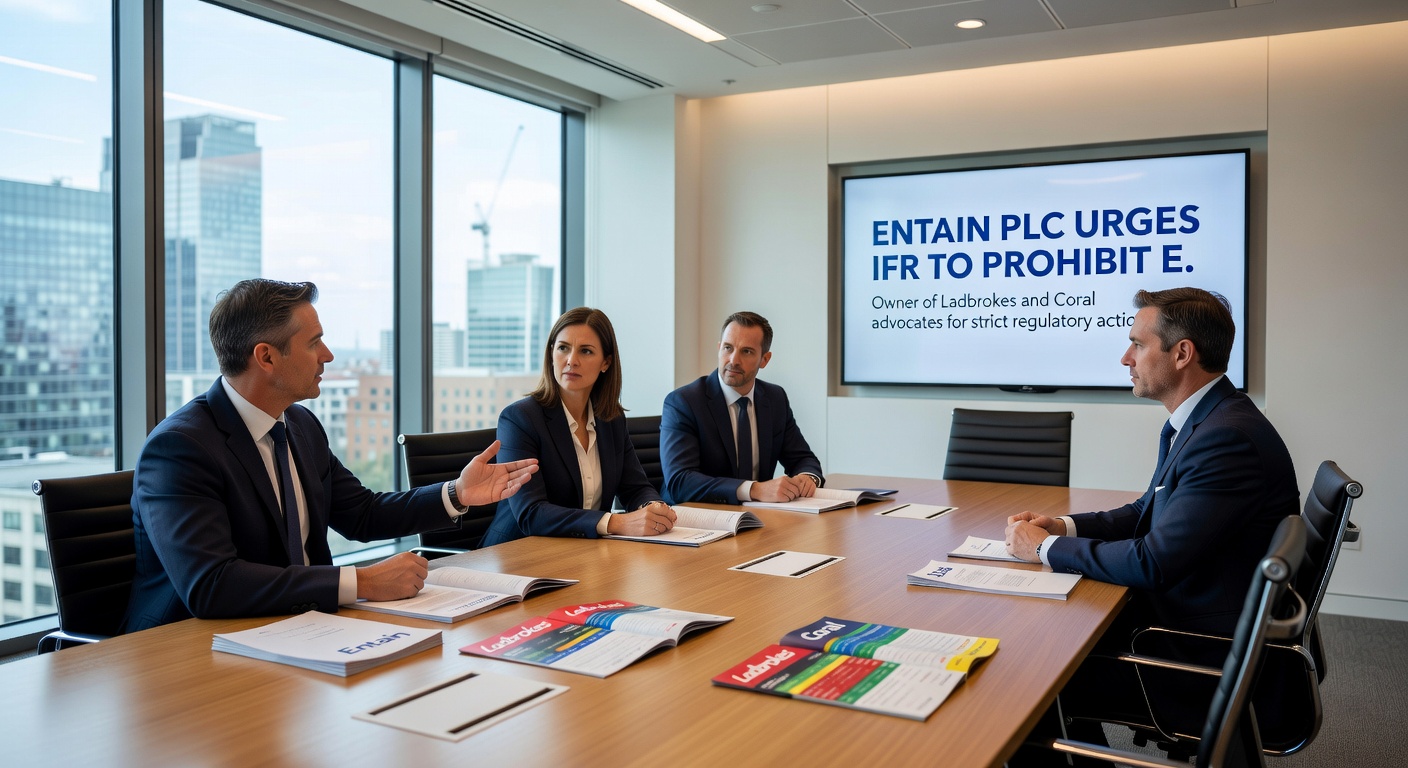
Entain plc, the powerhouse behind household names like Ladbrokes and Coral, has made a bold submission to the Independent Football Regulator (IFR), calling for a outright prohibition on English football clubs accepting sponsorship deals from unlicensed gambling operators; these firms, according to the submission, illegally target UK customers in direct violation of section 33 of the Gambling Act 2005, and such partnerships only fuel the black market for gambling.
Submitted on 7 May 2026 as part of the IFR’s Second Licensing Consultation (CP 2/26), Entain's detailed response lays out a clear case, emphasizing how unregulated sponsors undermine licensed operators while exposing fans to risky, unchecked platforms; the company points to mounting evidence that these illegal entities are circling football clubs, ready to splash cash on shirt fronts and stadium naming rights if regulators don't step in.
What's interesting here is the timing; with the IFR just gearing up to shape the future of football governance, Entain's voice carries weight from a licensed giant that's long navigated the UK's tightly regulated betting landscape, and observers note this move aligns with broader industry efforts to clean up sponsorship practices that have long blurred lines between legal bets and offshore shadows.
Unpacking the Black Market Data Entain Highlights
Data reveals a stark reality: around 1.5 million Britons wager a staggering £4.3 billion each year on unlicensed gambling sites, figures that Entain references to underscore the scale of the problem; unregulated operators, free from UK oversight, lure punters with aggressive marketing and unchecked odds, and now they're eyeing football sponsorships as their next big play to gain legitimacy.
Take those numbers: £4.3 billion isn't pocket change, it's a market segment that rivals some licensed sectors, and Entain warns that without intervention, these firms stand poised to dominate sports sponsorship spending; researchers who've tracked gambling trends have long observed how offshore sites exploit gaps in enforcement, targeting UK players despite bans under section 33, which blocks access to gambling services advertised or offered illegally in Britain.
And here's where it gets interesting; Entain argues that football clubs flashing logos from these black market players doesn't just normalize illegal betting, it actively promotes it, drawing in fans who might otherwise stick to regulated apps like Ladbrokes, where protections like age verification and responsible gambling tools are standard.
People who've studied sponsorship impacts point to past cases, like clubs unwittingly partnering with dubious Asian-facing brands that quietly pivoted to UK audiences, and Entain's submission flags this pattern as a ticking bomb for the sport's integrity.
Section 33 of the Gambling Act: The Legal Backbone
At the heart of Entain's plea lies section 33 of the Gambling Act 2005, a key provision that makes it an offense for overseas operators to invite or induce UK residents to gamble without a British license; yet enforcement has proven tricky, with VPNs and sneaky ads letting unlicensed sites slip through, and that's where football sponsorships enter the fray as a high-visibility loophole.
Entain spells it out in the consultation response: clubs displaying these sponsors' branding effectively advertise illegal services to millions of fans week in, week out, turning matchdays into unwitting endorsements for the black market; the IFR, established to oversee financial sustainability and fan interests in English football, now holds the ball in its court to close this gap through licensing rules.
Turns out, unregulated firms have deep pockets from untaxed revenues, allowing them to outbid licensed rivals for prime sponsorship spots, and Entain's data on that £4.3 billion black market flow shows why they're hungry for football's global spotlight; experts who've analyzed gambling flows note that while licensed operators pay billions in UK taxes and levies, offshore players dodge it all, creating an uneven field that harms everyone from punters to the Exchequer.
Football Clubs Caught in the Crossfire
English football clubs, from Premier League giants to lower-tier sides, have leaned heavily on gambling sponsors for years, with shirt deals and perimeter ads bringing in vital revenue amid rising costs; but Entain's submission shines a light on the risks, arguing that deals with unlicensed operators not only breach spirit of the law but expose clubs to potential IFR sanctions down the line.
One case observers recall involves clubs reviewing Asian betting partners after regulatory scrutiny, yet the trend persists, and now with the IFR's consultation open, Entain urges preemptive action; the reality is, 1.5 million UK punters already chase action on these sites, staking billions that could support licensed growth if redirected.
But here's the thing: sponsorship from black market players isn't just a financial play, it's a marketing masterstroke for illegals, plastering their brands across TV screens and social feeds where vulnerable fans scroll; Entain stresses that prohibiting such deals would level the pitch, protecting the sport while bolstering regulated betting's role in funding community programs.
Studies on sponsorship influence have found that viewers associate brands with endorsed teams, often leading to trial bets, and when those brands operate illegally, it funnels money away from safer channels; Entain's call, timed for May 2026, comes as football eyes new ownership tests and sustainability codes, making this a pivotal moment for cleaner partnerships.
The IFR's Role and Broader Industry Echoes
The Independent Football Regulator, a fresh authority under the Football Governance Bill, oversees licensing for club takeovers and now dives into sponsorship vetting through CP 2/26; Entain's input, one among many, spotlights gambling as a flashpoint, especially since past self-imposed bans on front-of-shirt betting ads by leagues haven't fully curbed perimeter or sleeve deals.
So clubs still court sponsors, but Entain draws a line at unlicensed ones, noting how they target UK customers via geoblocking workarounds; figures from industry research on unlicensed markets back this up, painting a picture of aggressive expansion into sports visibility.
Those who've followed regulator consultations know responses like Entain's often shape final codes, and with £4.3 billion at stake annually, the IFR faces pressure to act decisively; unregulated dominance in sponsorship spend looms large, potentially sidelining ethical operators who fund youth academies and anti-addiction campaigns.
It's noteworthy that Entain, as a licensed leader, doesn't oppose gambling sponsorships outright but targets the illegal fringe, aligning with Gambling Commission pushes against offshore poachers; this submission, dropped mid-spring 2026, underscores a united front against threats that erode trust in both football and betting.
Conclusion
Entain's 7 May 2026 submission to the IFR's consultation marks a concerted effort to shield English football from unlicensed gambling's grip, armed with data on 1.5 million punters and £4.3 billion in black market stakes; by invoking section 33, the company highlights how sponsorships prop up illegals, urging bans that could reshape club revenues for the better.
In the end, as the IFR weighs CP 2/26 inputs, this push from Ladbrokes and Coral's owner signals where the rubber meets the road: protecting fans, clubs, and licensed betting from offshore shadows, ensuring football's commercial engine runs clean and compliant.