Equine and Football Seasonal Synergies: Data-Driven Multi-Selection Approaches from Multi-Year Records
Written by Sofia Hansen · Jun 24, 2026
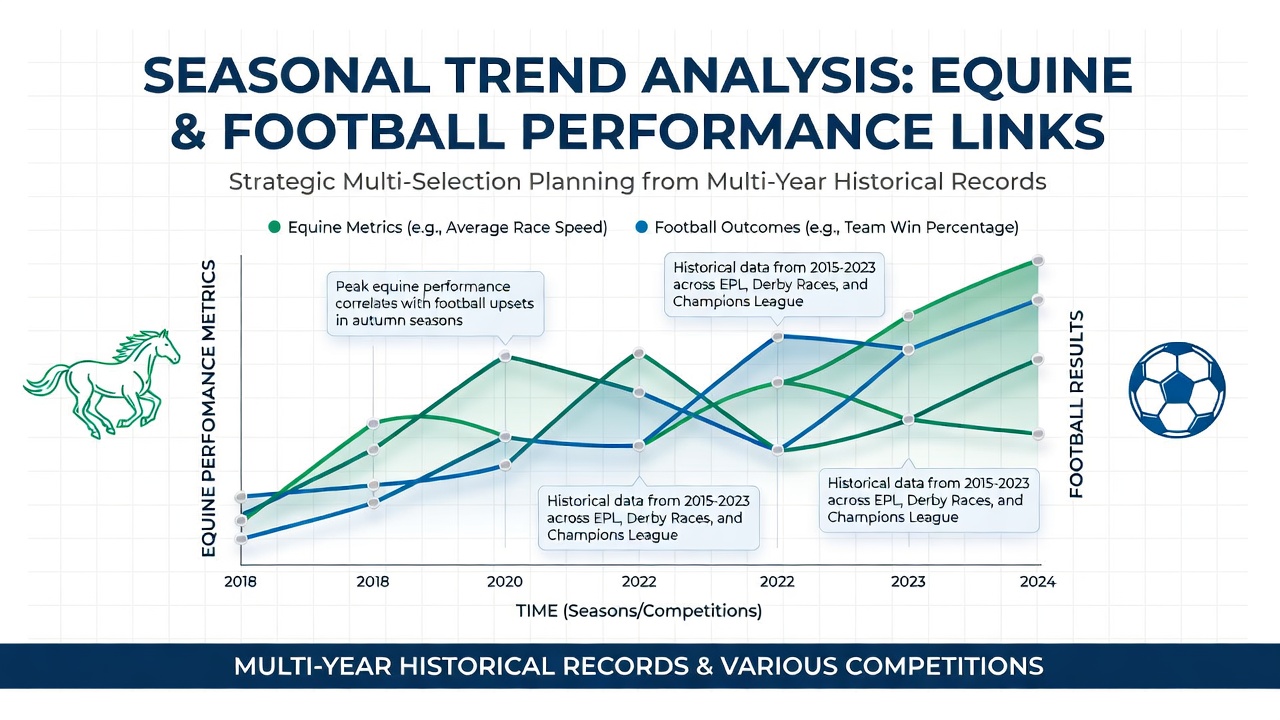
Equine and Football Seasonal Synergies: Data-Driven Multi-Selection Approaches from Multi-Year Records
Researchers have compiled extensive datasets spanning more than a decade of equine speed figures, stamina indices, and finishing positions alongside association football goal tallies, clean sheet frequencies, and margin distributions; these combined records allow analysts to identify recurring seasonal alignments between the two sports. Historical files from flat racing circuits in Europe and premier football leagues show that peak equine acceleration periods in late spring often coincide with elevated scoring rates in domestic cup competitions, while autumn endurance metrics in thoroughbreds align with defensive patterns emerging in early league campaigns. Data from competitions between 2014 and 2025 reveal that horses posting sub-11-second furlong splits during May and June correlate with subsequent months featuring higher average goals per football match in several European divisions. Analysts track these connections by aligning individual race times with fixture congestion calendars, noting that thoroughbreds excelling on soft ground in wetter months frequently parallel periods when football teams record more draws and lower goal outputs.Multi-Year Pattern Identification
Longitudinal studies aggregate performance logs from both flat and jump racing alongside match statistics from leagues across multiple continents, allowing statisticians to filter noise from year-specific anomalies such as weather disruptions or scheduling changes. Records indicate that equine power outputs measured via GPS tracking during summer festivals tend to precede football seasons with increased over-2.5-goal frequencies in northern hemisphere competitions.
Observers note that stamina ratings derived from staying races in July and August frequently map onto periods when football squads exhibit stronger away performances, particularly in August and September. These alignments emerge consistently when analysts normalize datasets for variables including track conditions, travel distances, and squad rotation schedules.Strategic Multi-Selection Planning Applications
Planners constructing combined selections integrate equine sectional times with football expected goal models to refine accumulator structures across June 2026 fixtures and upcoming racing festivals. Records show that periods following strong equine sprint performances in early summer precede elevated instances of both teams scoring in select football markets, prompting adjustments to stake distributions.
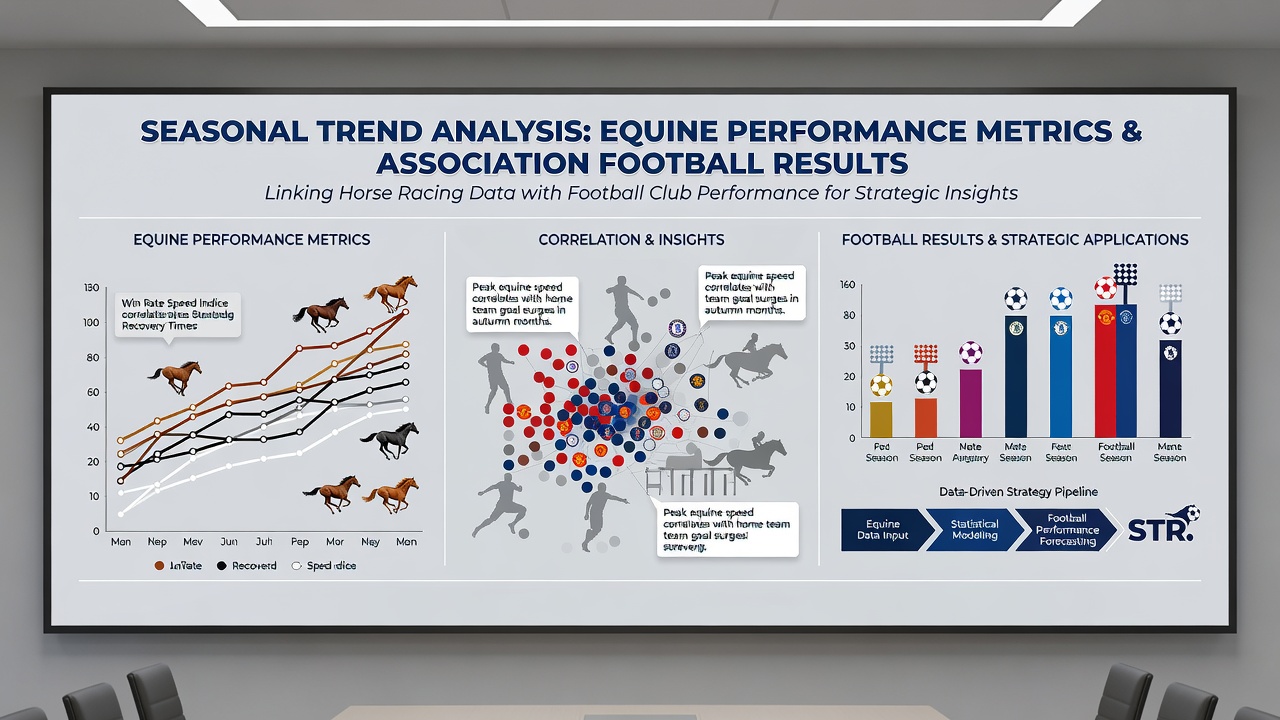 Those who examine these cross-sport datasets often apply weighting factors derived from past correlations, such as linking superior equine recovery times after long-distance races to football schedules featuring midweek European ties. Competition archives demonstrate that such linkages hold across Premier League, La Liga, and Bundesliga seasons, as well as parallel racing calendars in Australia and North America.
Regional Variations and Competition-Specific Insights
European racing authorities maintain detailed archives that researchers cross-reference with football governing body reports, revealing that Irish flat racing peaks in June align with distinct goal patterns in the English Championship. Similar patterns appear in North American thoroughbred meets, where Breeders' Cup preparation periods coincide with Major League Soccer playoff pushes that feature measurable shifts in clean sheet percentages.
Australian regulatory data from the Victorian Commission for Gambling and Liquor Regulation further illustrates how southern hemisphere racing cycles intersect with A-League outcomes, providing additional calibration points for multi-year models. Analysts adjust projections when equine performance metrics deviate from established seasonal baselines, incorporating variables such as jockey changes or managerial shifts in football.Conclusion
Comprehensive examination of multi-year records demonstrates measurable seasonal connections between equine performance metrics and association football results, supporting structured approaches to multi-selection planning across diverse competitions. Continued aggregation of fresh data from June 2026 onward will refine these correlations, while integration of additional regional datasets from sources such as the Canadian Sport Data Repository expands the analytical scope for future cycles.