Integrating Equine Pace Analysis with Soccer Expected Goals Data for Strategic Treble Selections
Written by Ben Fischer · Aug 26, 2026
Integrating Equine Pace Analysis with Soccer Expected Goals Data for Strategic Treble Selections
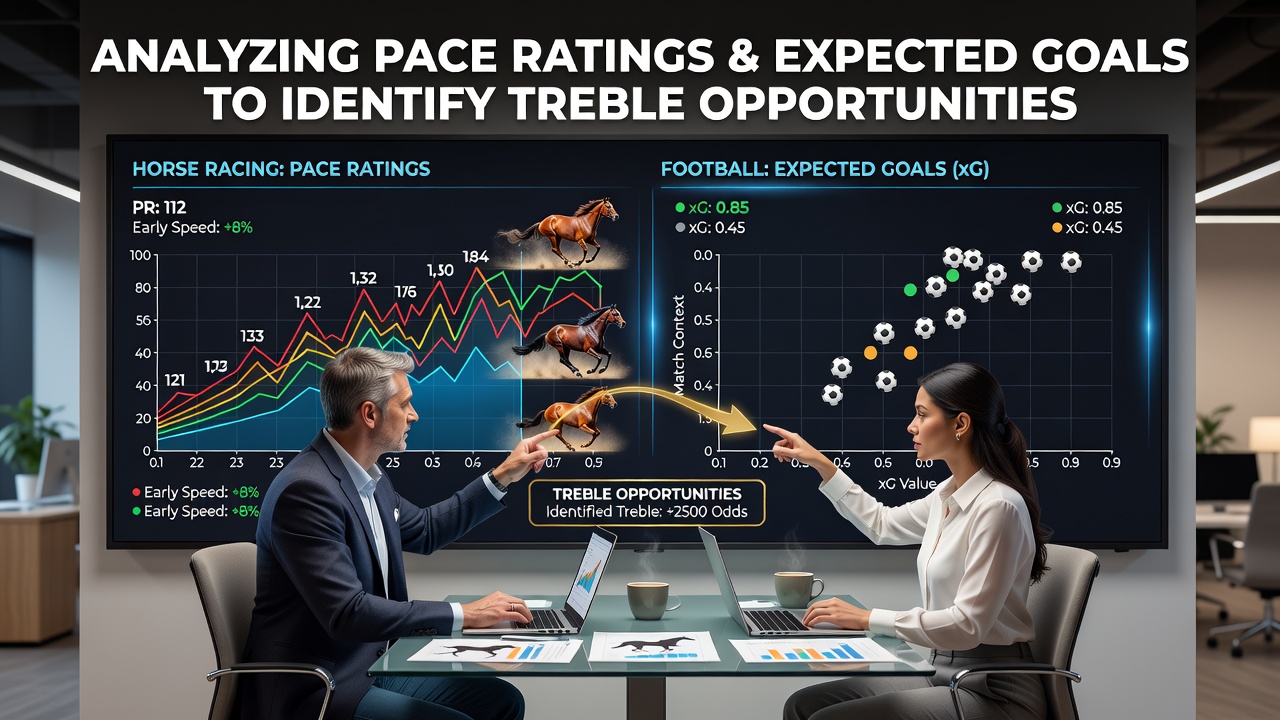
Analysts in the betting sector have examined how pace ratings from horse racing combine with expected goals figures from football to shape treble selections across multiple events, and data from platforms tracking these metrics shows consistent patterns in August 2026 when summer racing festivals overlap with pre-season football fixtures. Pace ratings measure a horse's speed relative to track conditions and competitors while expected goals quantify the quality of scoring opportunities a football team creates or concedes during matches, so observers note that cross-referencing the two allows bettors to identify correlated value in accumulators that span both sports.
Understanding Pace Ratings in Horse Racing Contexts
Researchers at various racing data providers calculate pace ratings by analyzing sectional times, draw biases, and historical performance on similar ground, and these figures help isolate horses likely to set or chase strong tempos in upcoming races. When August meetings feature fast ground at tracks like York or Ascot, higher pace ratings often align with improved finishing positions according to records compiled over multiple seasons, yet bettors must adjust for variables such as jockey tactics and weight carried. One dataset released in mid-2026 highlighted that horses posting pace ratings above a benchmark threshold delivered a higher strike rate in handicap events compared with lower-rated runners, which provides a foundation for including such selections in mixed-sport trebles.
Expected Goals Metrics and Their Application in Football
Football analysts derive expected goals values from shot location, type, and build-up play, and these numbers offer a more stable indicator of future performance than raw goal tallies alone. Teams consistently generating elevated expected goals totals tend to outperform in over 2.5 goals markets or both-teams-to-score scenarios, and studies tracking European leagues during the 2025-2026 campaign confirm that sides exceeding 1.8 expected goals per game recorded stronger results in accumulator builds. When cross-referenced with racing data, bettors can pair a high-pace horse with a football side showing strong expected goals output to construct trebles that balance risk across independent events.
Methods for Combining the Two Data Sets
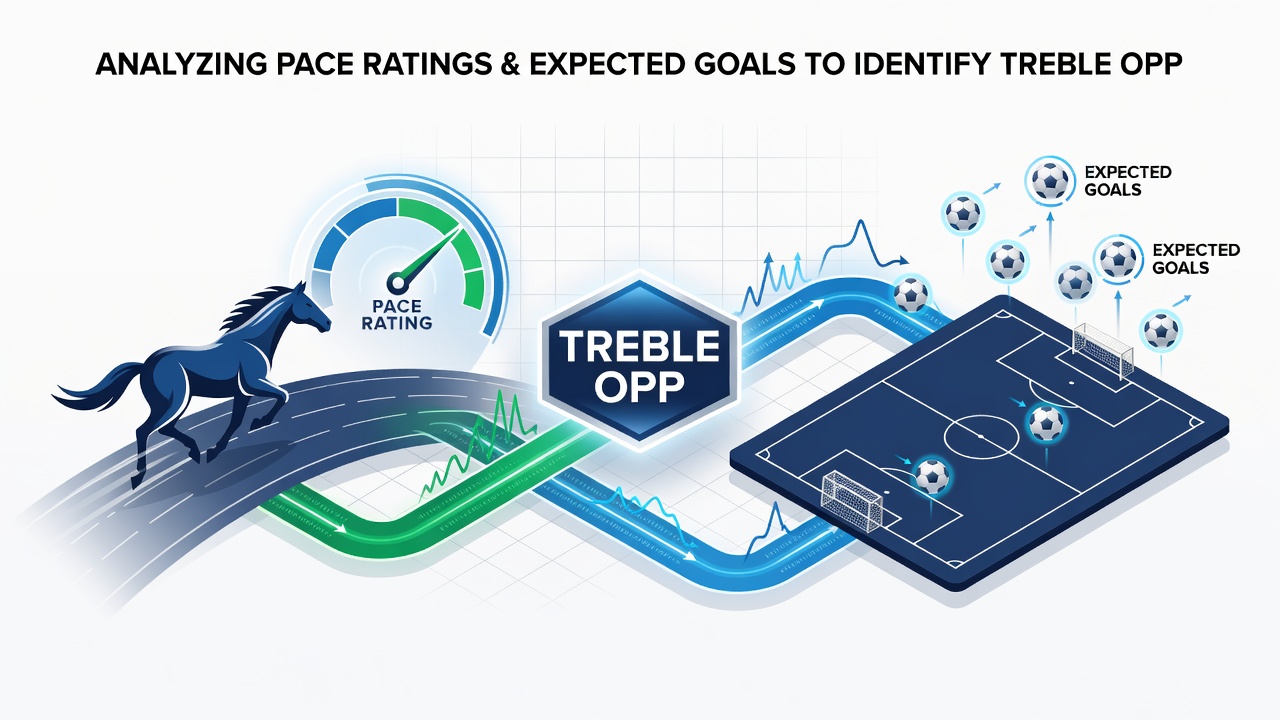
Statisticians merge pace ratings and expected goals by first standardizing each metric to a common scale, then applying filters that flag positive correlations such as selecting a horse with superior early speed alongside a football match projected to feature high shot volume. Software tools used by professional syndicates automate this process through algorithms that scan daily fixtures, and reports from August 2026 indicate that such combined models identified treble opportunities with improved hit rates over single-sport selections in test runs. Observers note that weighting recent form more heavily than older data enhances accuracy, while incorporating variables like weather forecasts for racing and team news for football further refines the output.
Case Examples from Recent Fixtures
Take one analysis conducted during the 2026 summer period where a horse rated highly for pace at a major meeting was paired with two football fixtures displaying elevated expected goals numbers, and the resulting treble returned a profit when all components succeeded. Another instance involved filtering for races on firm ground where pace figures exceeded 85 and matches where both teams averaged over 1.6 expected goals, which produced several viable combinations according to performance logs maintained by data aggregators. Those who have reviewed these outputs often discover that limiting selections to events with independent variables reduces variance compared with stacking multiple football matches alone.
Practical Considerations for Implementation
Betting operators and tipster services apply these blended metrics through daily updates that list qualifying horses and matches, and users access the information via apps that display pace ratings alongside expected goals projections in unified dashboards. Regulatory bodies in regions outside the UK, such as those monitored by the Australian Gambling Research Centre, have documented rising interest in multi-sport products that incorporate statistical overlays, while academic papers from North American universities examine similar fusion techniques in sports wagering models. Data shows that successful application requires ongoing calibration because track conditions and squad rotations alter the underlying numbers week to week.
Conclusion
Combining pace ratings from horse racing with expected goals from football creates structured approaches to treble construction that draw on independent performance indicators, and records from August 2026 demonstrate how these methods integrate into routine betting workflows. Analysts continue to refine the models as new data emerges, and participants who track both sets of statistics gain access to selections grounded in measurable patterns rather than isolated observations.