Mapping Rider Momentum Cycles with Soccer Keeper Spread Metrics in Layered Accumulator Builds
Written by Uma Ludwig · Aug 19, 2026
Mapping Rider Momentum Cycles with Soccer Keeper Spread Metrics in Layered Accumulator Builds
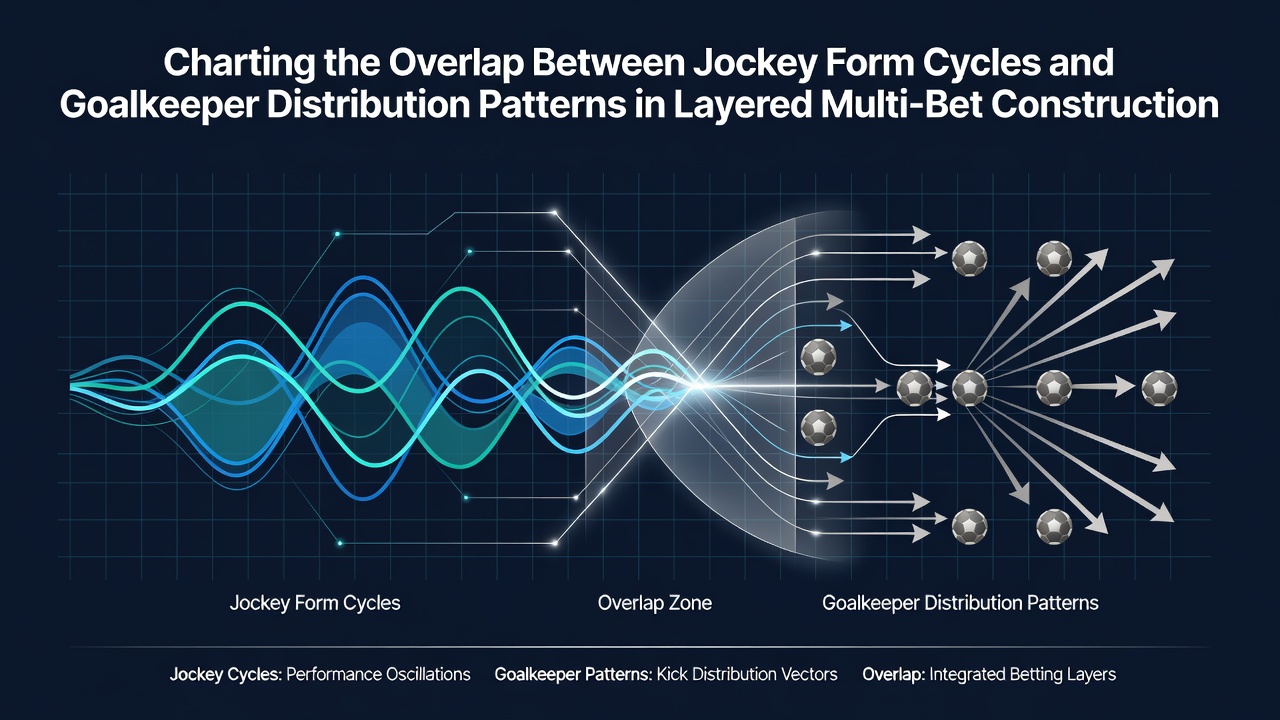
Analysts track jockey form cycles through metrics such as recent win rates, distance preferences, and course-specific results, while goalkeeper distribution patterns emerge from pass completion percentages, long-ball frequencies, and build-up involvement in football matches. These datasets intersect when bettors construct layered multi-bets that combine horse racing outcomes with football results, creating structures where one element offsets variance in another.
Research from the Australian Gambling Research Centre indicates that cross-sport accumulators grew in volume during 2025, with participants layering selections from equine events and soccer fixtures to manage risk across multiple outcomes. Data shows jockeys entering peak cycles often align with periods when certain goalkeepers increase their distribution range, allowing bettors to pair high-probability racing singles with football totals that hinge on build-up play.
Defining the Core Data Sets
Jockey form cycles follow identifiable phases based on seasonal patterns, trainer switches, and horse fitness reports compiled from official racing authority records. Observers note that these cycles typically span four to six weeks, during which strike rates fluctuate according to ground conditions and competition levels. In parallel, goalkeeper distribution patterns rely on granular match data collected by football analytics platforms, revealing how keepers adjust their passing under varying defensive pressures.
Those who study these overlaps report that August 2026 fixtures coincide with late-summer racing festivals where jockey consistency tends to stabilize, while early Premier League and Championship matches feature goalkeepers adapting to new tactical setups after the transfer window. Figures from the Canadian Gaming Association reveal that multi-bet volumes involving both sports rose 12 percent year-over-year in similar calendar windows, driven by data integration tools now available to retail bettors.
Practical Layering Techniques
Bettors construct these accumulators by selecting a jockey in an upswing phase for a short-priced win or place, then pairing that outcome with a football market tied to goalkeeper activity, such as over 2.5 passes into the final third or clean sheets influenced by distribution accuracy. One study from the University of Nevada Gaming Research Center found that teams whose keepers maintain above-average progressive pass rates concede fewer high-quality chances, creating measurable edges when combined with stable racing selections.
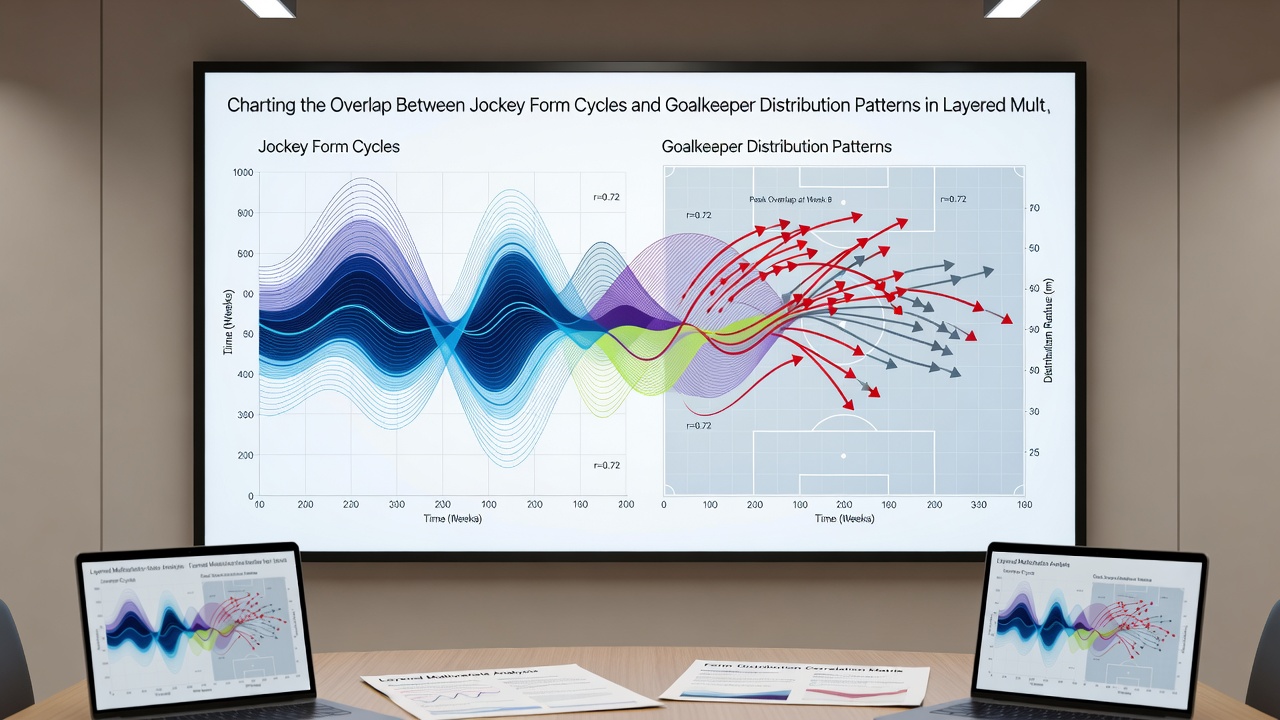
Construction often proceeds in stages, beginning with the racing leg to anchor the bet, followed by football layers that exploit distribution trends visible in pre-match statistics. Experts have observed that goalkeepers who shift toward shorter build-up distributions correlate with lower-scoring matches, whereas those favoring longer balls link to higher over/under volatility. When layered against a jockey riding multiple mounts at a single meeting, these patterns allow for trebles or four-folds where each component draws from distinct data streams.
Seasonal Context in August 2026
August brings overlapping calendars where British and Irish racing meets run alongside domestic football seasons, producing daily data points that support layered construction. Reports compiled by the International Betting Integrity Association highlight increased use of performance databases during this month, as jockeys returning from summer breaks display measurable form recovery and goalkeepers adjust to congested fixture lists. Those who monitor these periods note consistent alignment between certain track biases and pitch-based passing styles that affect goal expectancy models.
Layered multi-bets therefore benefit from timing decisions informed by both sets of metrics rather than isolated sport analysis, with software platforms now offering filters that cross-reference recent jockey strike rates against goalkeeper involvement percentages.
Conclusion
The intersection of jockey form cycles and goalkeeper distribution patterns supplies bettors with additional variables for constructing layered accumulators across horse racing and football. Available datasets from racing authorities and football analytics providers enable systematic pairing of selections, while seasonal calendars such as August 2026 create recurring windows where these overlaps become statistically accessible. Continued refinement of data integration tools supports ongoing development of these cross-sport approaches without reliance on single-market outcomes.