Merging Racing Track Analytics with Football Goal Dynamics in Advanced Multi-Leg Strategies
Written by Uma Ludwig · Jul 24, 2026
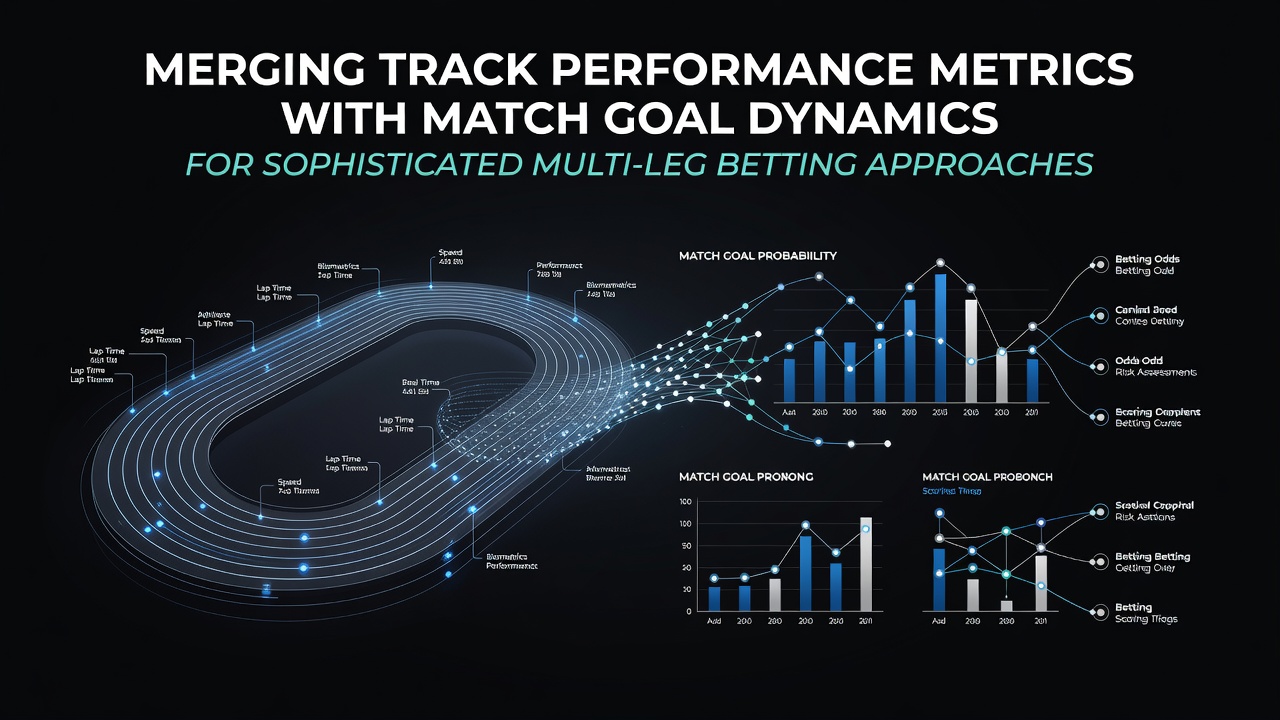
Merging Racing Track Analytics with Football Goal Dynamics in Advanced Multi-Leg Strategies
Analysts in the betting sector have documented growing interest in systems that combine equine track performance indicators with soccer goal patterns to construct multi-leg wagers. Observers note that these approaches draw on datasets from both horse racing events and football fixtures, where variables such as surface conditions, pace figures, and historical scoring rates receive equal weight in model construction. Data compiled through July 2026 shows increased adoption among operators who structure accumulators around correlated rather than isolated selections.
Core Components of Track Performance Metrics
Researchers track several equine variables when building these frameworks. Speed ratings adjusted for track variants, sectional times over specific distances, and trainer strike rates on particular surfaces form the foundation. Studies indicate that horses performing above a benchmark threshold on firm ground often maintain consistency across subsequent outings, while those excelling on softer surfaces display different recovery patterns. These metrics integrate with broader race-day factors including draw bias and pace maps, allowing operators to assign probability weights before linking selections to football markets.
Match Goal Dynamics and Their Measurement
Football side analytics focus on goal-related statistics such as expected goals, shots on target conversion rates, and clean sheet frequencies. League-wide data reveals patterns where teams average 2.7 goals per game in certain divisions during summer months, with July 2026 fixtures showing elevated over 2.5 goal percentages in early season encounters. Multi-leg builders examine both team attacking profiles and defensive vulnerabilities, then cross-reference these figures against historical head-to-head outcomes to refine leg probabilities.
Integration Methods for Multi-Leg Construction
Practitioners merge the two datasets by identifying overlaps between strong track performers and football matches that align with projected goal volumes. One documented method assigns numerical scores to each racing selection based on adjusted speed figures, then pairs them with football legs filtered through goal expectation models. When a horse meets a minimum performance index on a given surface, the system flags correlated football fixtures where over or both-teams-to-score outcomes carry elevated likelihood. This process reduces random selection by grounding each leg in measurable performance history rather than standalone odds.
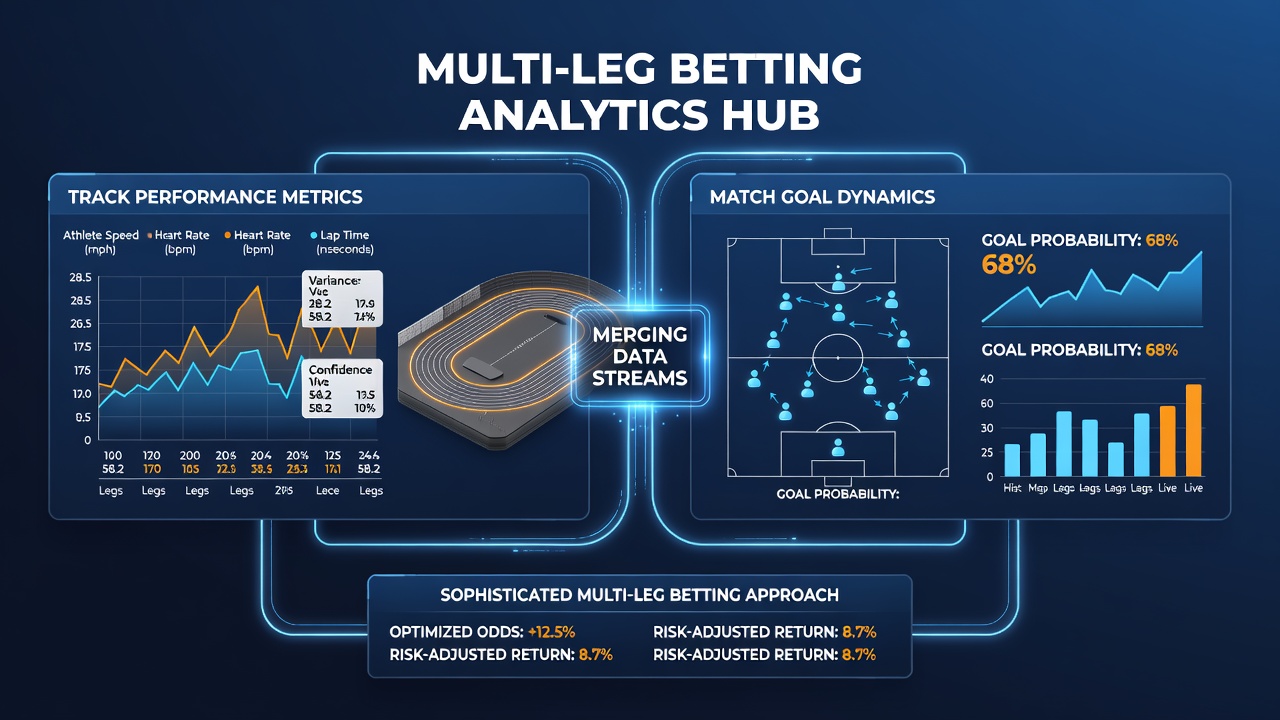
Operators apply filters to exclude mismatches where track conditions diverge sharply from historical norms or where football goal trends fall outside established ranges. According to findings from the Australian Gambling Research Centre, such layered filtering produces more stable multi-leg structures across extended sample periods. Additional checks incorporate weather adjustments for racing and squad rotation impacts for football, both of which alter projected outcomes in measurable ways.
Practical Application in Accumulator Design
Builders often construct four or five leg wagers that alternate between racing adn football selections. A typical sequence begins with a horse meeting strict pace and surface criteria, followed by a football leg targeting matches with elevated expected goals. Subsequent legs repeat the pattern while maintaining overall stake distribution. Figures released in mid-2026 indicate that systems incorporating both data streams recorded lower variance in weekly returns compared with single-sport accumulators over the same interval. The approach requires continuous updating of track variant indices and goal expectation models to remain aligned with current form.
Data Sources and Validation Techniques
Validation relies on back-testing across multiple seasons using standardized performance databases. Research from the International Center for Responsible Gaming outlines protocols for confirming statistical significance before deploying merged models at scale. Operators track metrics such as return on investment per leg type and correlation coefficients between racing and football outcomes to refine weighting formulas. July 2026 updates to these datasets incorporated new sectional timing technology from several major racecourses, which further sharpened surface-adjusted ratings.
Conclusion
Systems that fuse track performance metrics with football goal dynamics continue to evolve through iterative data refinement. Market participants apply these integrated models to multi-leg strategies by maintaining consistent selection criteria across both sports. Ongoing collection of performance statistics supports further calibration, particularly as new measurement tools emerge in racing and advanced analytics expand in football.